Market Size, Consumer Behavior, and Where the Growth Is Heading
Tianjin, China — August, 2026
The packaging industry rarely makes headlines, yet it sits quietly beneath nearly every consumer transaction on the planet — and it is growing faster than most people realize. For brands sourcing custom boxes, rigid gift sets, or e-commerce mailers, understanding where this market is heading is not academic: it determines how much you pay, how fast you can launch, and whether your packaging keeps up with what your customers now expect.
In this market intelligence briefing, TIANJIN FUSSEN’s research team has consolidated the latest 2025–2026 data from leading industry analysts to answer one practical question: what do the numbers mean for your packaging decisions this year?
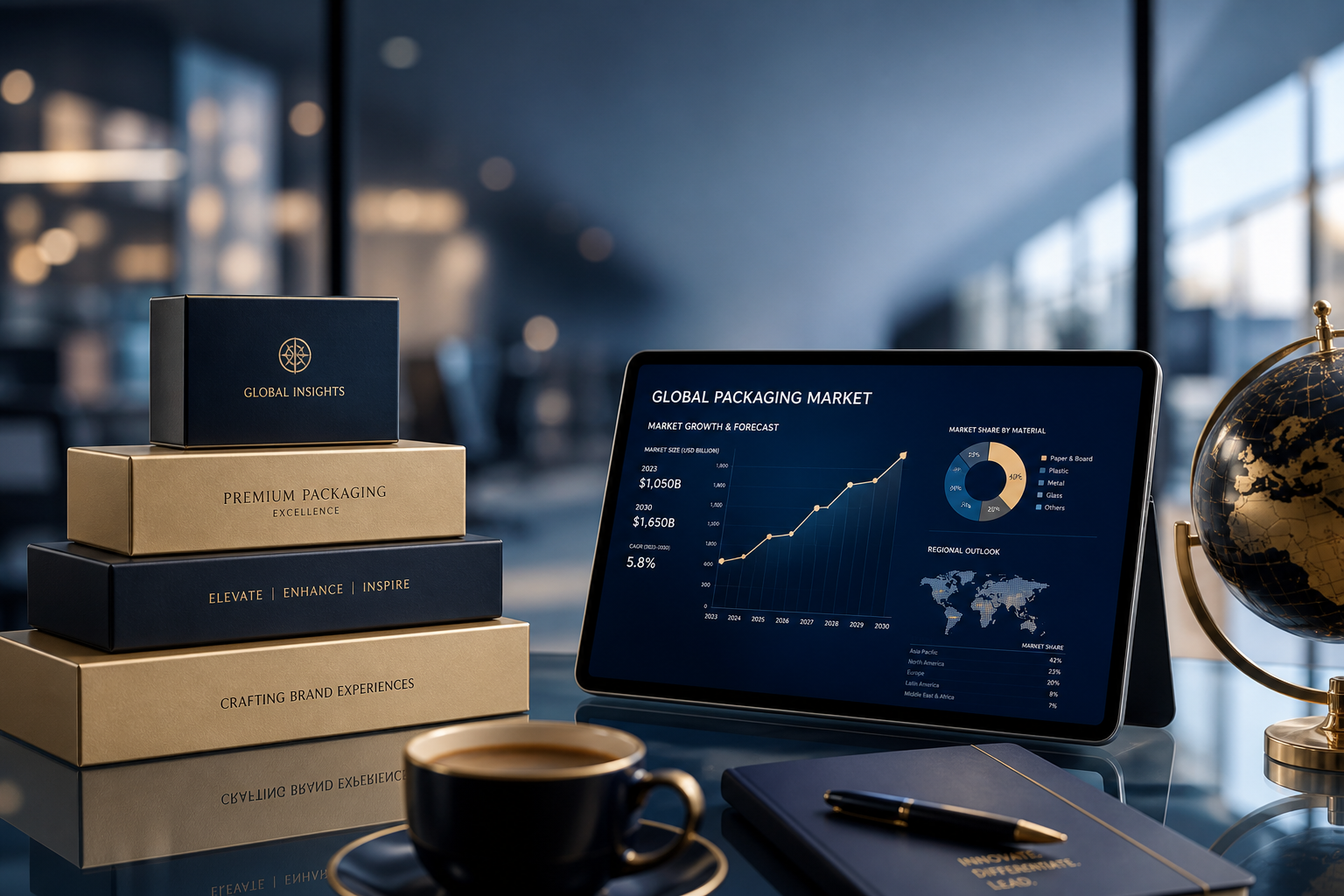
The global packaging market was valued at approximately $1,109 billion in 2025 and is projected to reach $1,591 billion by 2034 (Fortune Business Insights). Within this enormous landscape, three sub-markets matter most to custom packaging buyers: sustainable packaging ($304 billion in 2025, heading toward $463 billion by 2034 per Mordor Intelligence), personalized packaging ($41 billion in 2025, nearly doubling to $78 billion by 2035 per Future Market Insights), and luxury packaging boxes ($15.8 billion in 2025, projected at $27.3 billion by 2035 per Spherical Insights).
Figure: Global packaging market sizes and fastest-growing segments, 2025–2034/2035. Compiled from Fortune Business Insights, Mordor Intelligence, Towards Packaging, Spherical Insights, Future Market Insights and Dataintelo (2025–2026 reports). Values rounded.
The most decisive shift in consumer behavior is environmental expectation. A 2025 McKinsey global consumer study found that products carrying sustainability-related claims achieved 28 percent cumulative growth over the preceding five years — outperforming products without such claims. Meanwhile, 77 percent of consumers told Packaging Dive-affiliated research that recyclability is “extremely” or “very” important when choosing packaging, and 69 percent now regard sustainable packaging as a basic expectation rather than a differentiator (Shorr Packaging).
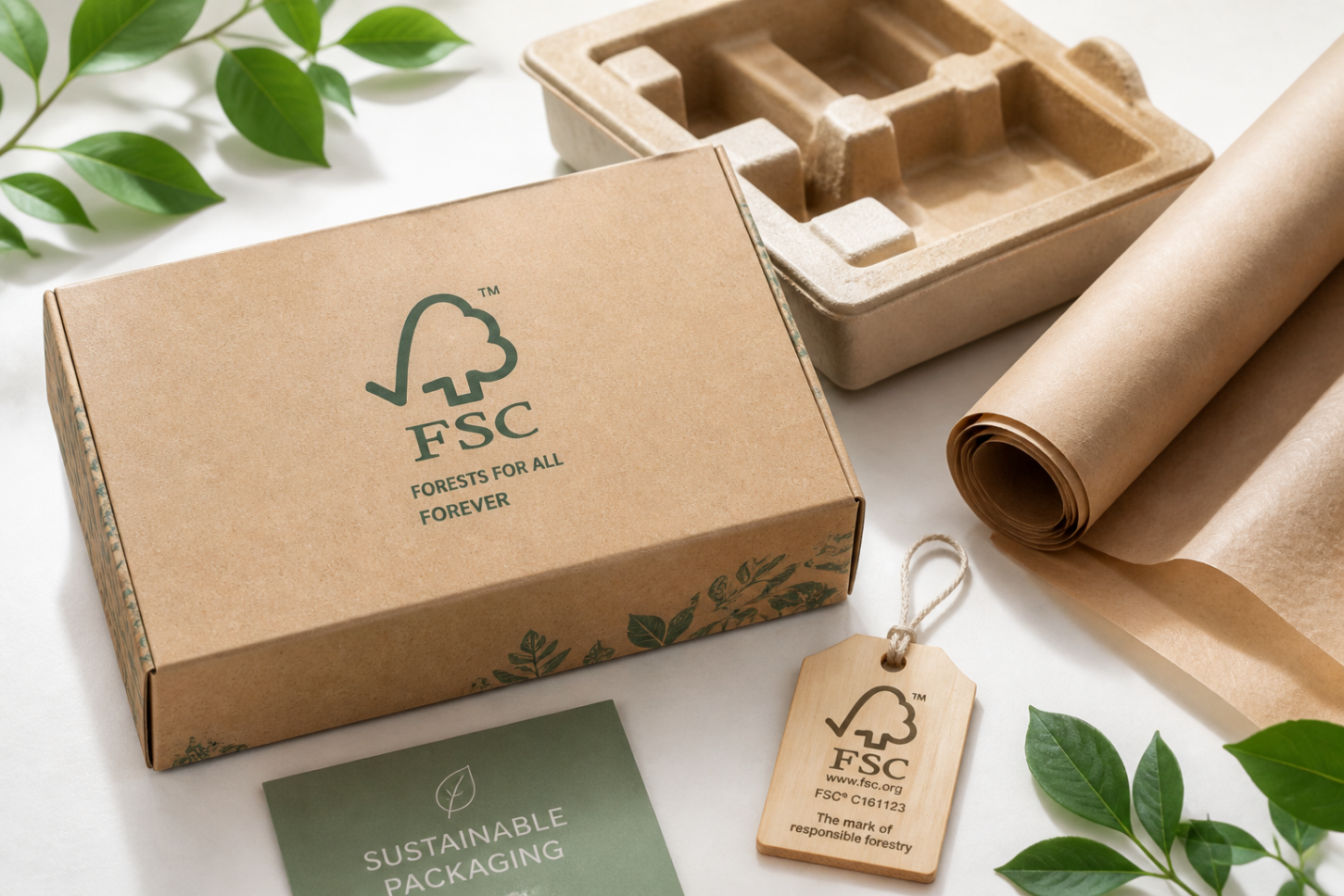
The implication for brands is clear: FSC-certified paperboard, recyclable structures, and reduced-material designs are no longer premium extras — they are entry tickets to markets in Europe, North America, and increasingly Asia. For the same reason, certifications like FSC Chain of Custody are appearing more frequently in RFQs from major retailers.
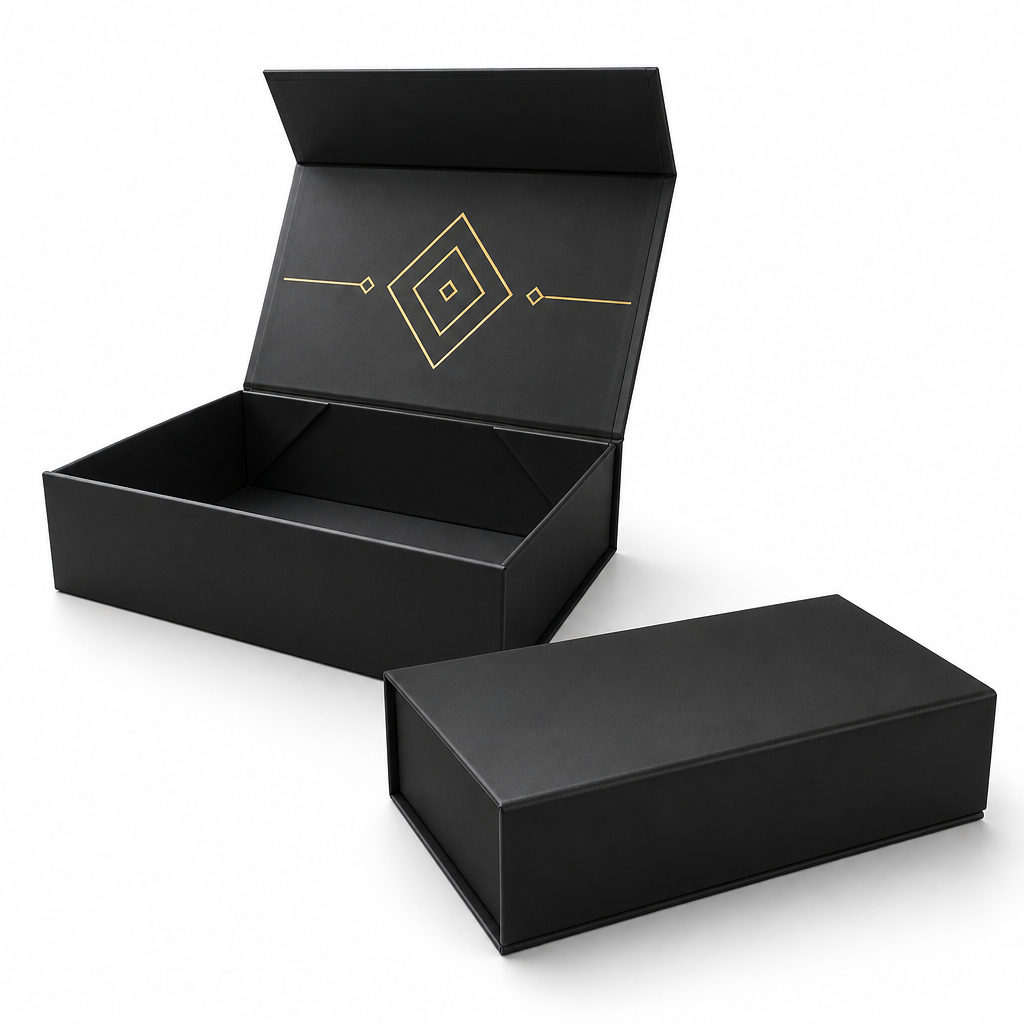
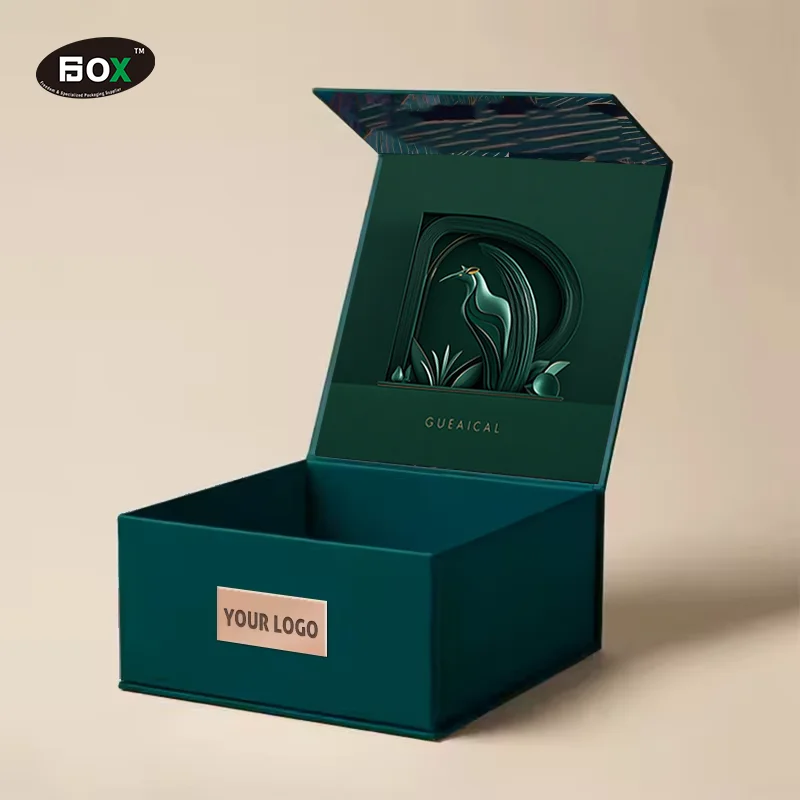
Even in cost-conscious times, the premium segment refuses to slow down. The luxury packaging boxes market is projected to expand from $15.83 billion in 2025 to $27.3 billion by 2035, a 5.6% CAGR (Spherical Insights), while the narrower luxury rigid box segment grows from $4.75 billion to $6.96 billion over the same window (Towards Packaging). Rigid boxes specifically are being driven by demand for sustainable yet premium materials — heavy-board structures, foil stamping, soft-touch coatings, and magnetic closures that turn unboxing into a brand moment.
What is telling is where the growth comes from: cosmetics, spirits, jewelry, and collectibles brands upgrading from folding cartons to rigid boxes to justify premium price points. For importers, this trend means specifying structural quality and finishing details that survive the unboxing test — not just print quality.
Digital printing has moved from niche to mainstream in packaging. The digital printing packaging market was valued at $34 billion in 2025 and is forecast to reach $74.2 billion by 2035, a 9.8% CAGR — among the fastest-growing segments in the industry (Towards Packaging). Why? Digital eliminates plates, enables variable data, and — critically — makes small batches economically viable.
For brands, this changes sourcing strategy entirely: you no longer need to commit to thousands of units to get premium print quality. MarketsandMarkets projects digital packaging printing will grow at an 8.9% CAGR through 2029, reinforcing that on-demand, low-MOQ production is a structural shift, not a passing fad.
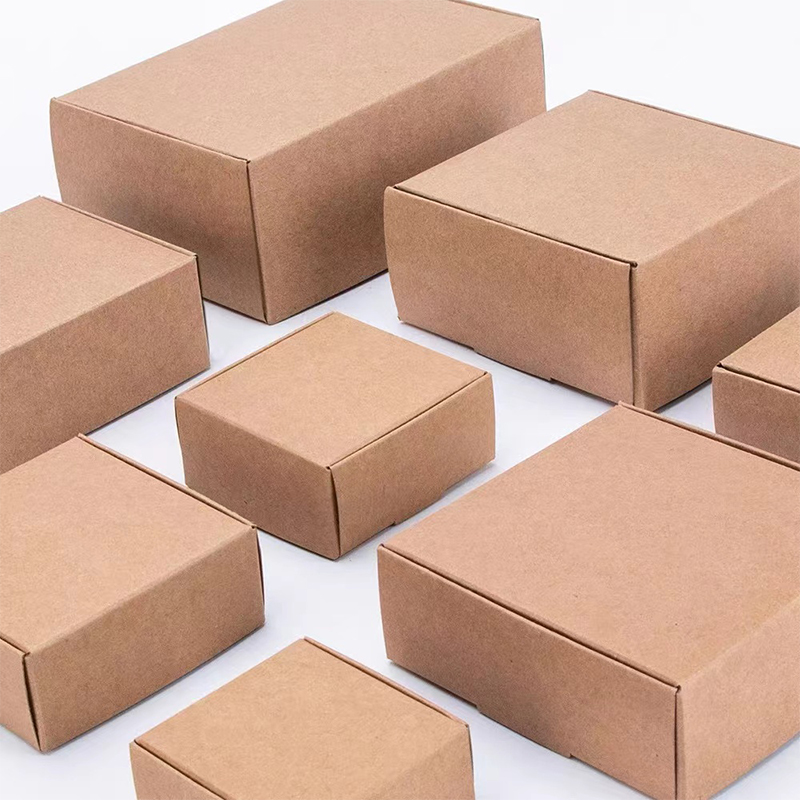
E-commerce packaging is the fastest-growing large segment in the industry: from $90.8 billion in 2025 to an estimated $308.2 billion by 2035, a 13% CAGR (Towards Packaging). Corrugated solutions alone accounted for roughly 37–50% of that market in 2025 (Grand View Research; Mordor Intelligence), driven by cost efficiency, stacking strength, and recyclability.
Two implications stand out: first, the unboxing experience is now a marketing channel in its own right — subscription boxes and DTC brands are investing in branded mailers and interior printing. Second, dimensional weight optimization has become a real cost lever: right-sized boxes reduce shipping charges and material waste simultaneously.
The beauty and personal care packaging market is projected to grow from $41.3 billion in 2025 to $94.4 billion by 2036, at a 7.8% CAGR (Future Market Insights), with the broader cosmetic packaging market estimated at $57.6 billion in 2025 (Fortune Business Insights). Perfume boxes, skincare sets, and subscription-ready beauty mailers are driving demand for rigid structures with custom inserts, windowed lids, and premium finishes.
For suppliers and buyers alike, this is a segment where packaging is the product: the tactile feel of a soft-touch box or the reveal of a drawer-style gift set directly influences purchase conversion and social sharing.
Few categories illustrate packaging’s value proposition better than collectibles. The global trading cards market was valued at $14.6 billion in 2025 and is projected to reach $31.2 billion by 2034, an 8.8% CAGR (Dataintelo). The broader collectibles market is estimated at $464 billion in 2025, growing at 7.2% CAGR toward $902 billion by 2035 (Market Decipher).
Collector-grade packaging — rigid boxes with precision card slots, UV-resistant coatings, and resealable magnetic closures — protects resale value and display appeal, which is why card companies increasingly treat packaging as part of the product itself.
Personalization has crossed into packaging in a measurable way. The personalized packaging market is projected to grow from $41 billion in 2025 to $77.7 billion by 2035, a 6.6% CAGR (Future Market Insights). Research from CustomCy indicates 59% of online buyers are more likely to purchase from a brand that offers product customization — and packaging is one of the most visible customization surfaces a brand has.
From limited-edition foiled boxes to variable-data printing of individual names on mailers, personalization drives both premium pricing and repeat purchases.
Read together, the data points to a coherent conclusion: packaging is no longer a back-office cost line — it is a front-line growth asset. Five practical takeaways for sourcing decisions in 2026:
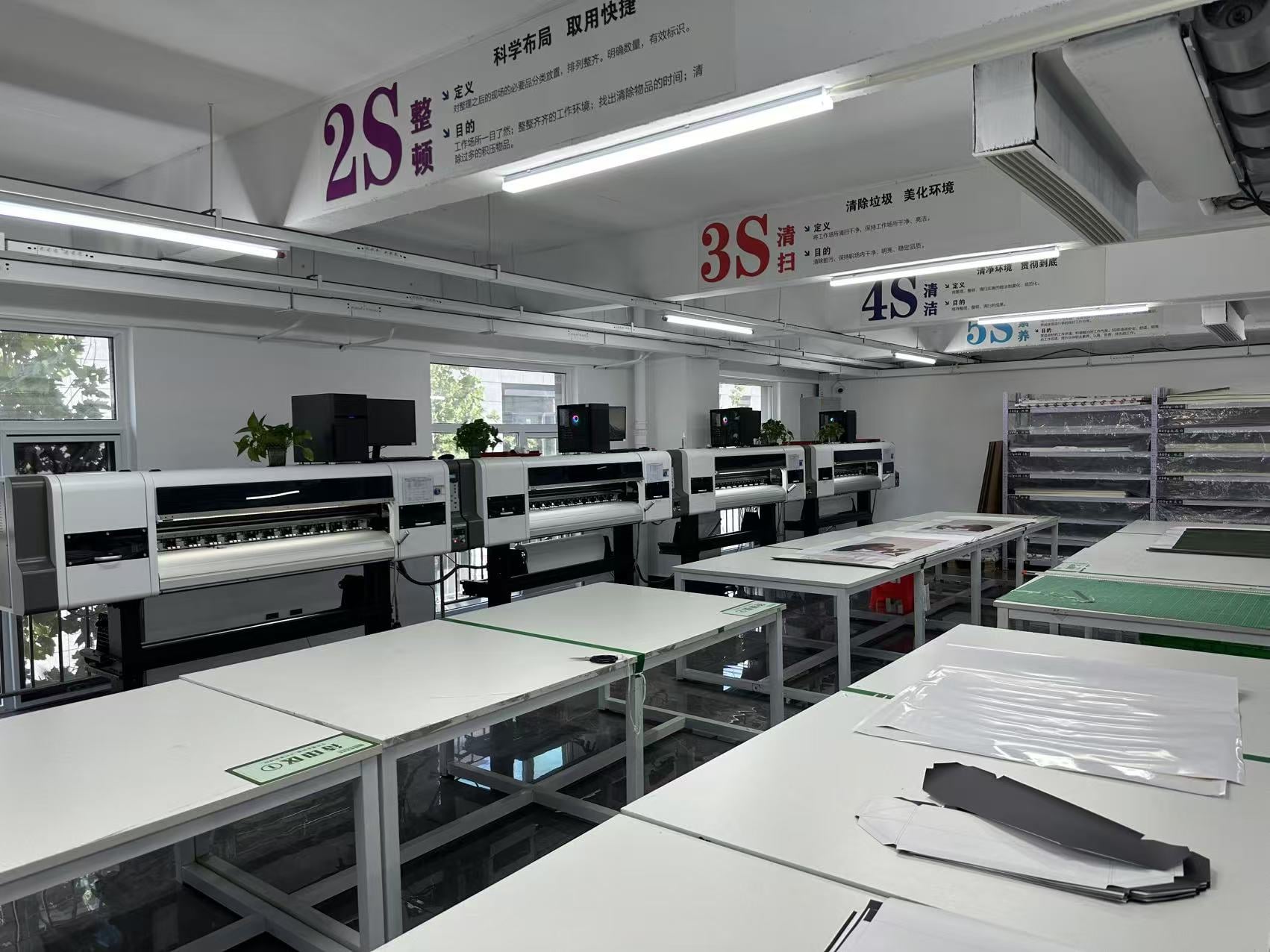
As a digital-first packaging manufacturer, TIANJIN FUSSEN is built for exactly these market shifts. Our facility operates North China’s first HP Indigo 12K digital press — enabling Pantone-accurate color, no plate costs, and true 1-piece MOQ with zero mold fees. We are ISO 9001 and FSC Chain of Custody certified, supporting the sustainability credentials buyers increasingly demand. Our cross-industry portfolio spans luxury rigid boxes, magnetic gift boxes, corrugated mailers, custom inserts and apparel accessories, all produced in-house in a 2,500 sqm controlled-environment facility with 8-hour 3D visualization and 24-hour physical sampling.
The market is growing — and the brands that win will be those whose packaging matches the speed, sustainability, and experience their customers now expect. TIANJIN FUSSEN exists to make that possible, from one piece to tens of thousands.
Discuss your packaging strategy with our team — quotes delivered within 24 hours.
Website: www.fussenpackaging.com
Alibaba Store: tjfssm.en.alibaba.com
WhatsApp / WeChat: +86-15922018265
Email: [email protected]
Disclaimer: Market figures are compiled from publicly available 2025–2026 industry reports (Fortune Business Insights, Mordor Intelligence, McKinsey & Company, Spherical Insights, Towards Packaging, Grand View Research, Future Market Insights, Dataintelo, MarketsandMarkets, Shorr Packaging, CustomCy). Estimates vary across sources; figures are provided for editorial context and should not be used as sole basis for investment decisions.
TIANJIN FUSSEN — Data-Driven Packaging for a Growing Market.
 Hot News
2026-10-14
2026-09-18
2026-09-11
2026-09-05
2026-08-28
2026-08-21