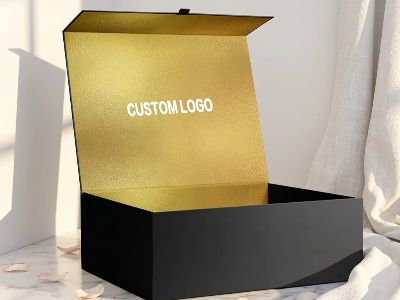
Bao bì cao cấp đóng vai trò then chốt trong ngành mỹ phẩm, nâng cao nhận thức thương hiệu và ảnh hưởng đến quyết định mua hàng của người tiêu dùng. Đối với các doanh nghiệp trong lĩnh vực này, việc lựa chọn bao bì phù hợp có thể là một nhiệm vụ phức tạp, đặc biệt khi mục tiêu là những thiết kế chất lượng cao, bắt mắt về mặt thị giác đồng thời vẫn bảo vệ sản phẩm hiệu quả. Bài viết này khám phá những lựa chọn bao bì cao cấp tốt nhất dành cho mỹ phẩm, đồng thời giải quyết các mối quan tâm chính mà người mua B2B thường đặt ra, chẳng hạn như lựa chọn vật liệu, thông số kỹ thuật thiết kế và các yếu tố chi phí.
Vật liệu bao bì cao cấp nào đáng tin cậy nhất cho mỹ phẩm?
Khi lựa chọn vật liệu bao bì cao cấp cho mỹ phẩm, điều thiết yếu là ưu tiên những lựa chọn kết hợp hài hòa giữa tính thẩm mỹ và tính năng thực tiễn. Các vật liệu đáng tin cậy phổ biến bao gồm:
Giấy bìa cứng giấy bìa cứng: Thường được sử dụng cho hộp và thùng carton, giấy bìa cứng có khả năng in ấn xuất sắc và có thể tùy chỉnh với nhiều loại hoàn thiện khác nhau, ví dụ như dập nổi kim loại hoặc dập chìm. Vật liệu này nhẹ nhưng chắc chắn, rất thích hợp cho các gian hàng trưng bày tại điểm bán.
Nhựa : Nhựa cao cấp như PET (Polyethylene Terephthalate) được ưa chuộng cho bao bì mỹ phẩm nhờ độ trong suốt và độ bền cao. Loại nhựa này có thể được tạo hình thành những kiểu dáng tinh xảo và chống thấm ẩm hiệu quả, đảm bảo tính toàn vẹn của sản phẩm.
Thủy tinh : Bao bì thủy tinh được ưa thích nhờ cảm giác sang trọng và khả năng tái chế. Thủy tinh tạo rào cản xuất sắc chống lại các yếu tố bên ngoài và có thể tùy chỉnh thông qua nhiều phương pháp xử lý khác nhau, ví dụ như bề mặt mờ hoặc có màu.
Kim loại : Nhôm và thiếc có thể được sử dụng cho bao bì cao cấp, đặc biệt dành cho kem và sáp dưỡng. Chúng mang lại vẻ ngoài hiện đại và độ bền rất cao, bảo vệ sản phẩm khỏi ánh sáng và không khí.
Việc lựa chọn vật liệu phù hợp sẽ phụ thuộc vào yêu cầu cụ thể của sản phẩm, chẳng hạn như nhu cầu bảo quản các thành phần hoạt tính hoặc sự phù hợp với bản sắc thương hiệu.
Các thông số kỹ thuật quan trọng cần cân nhắc trong thiết kế bao bì mỹ phẩm cao cấp
Khi thiết kế bao bì mỹ phẩm cao cấp, cần xem xét một số thông số kỹ thuật chủ chốt để đảm bảo bao bì không chỉ trông bắt mắt mà còn hoạt động hiệu quả:
Kích thước kích thước chính xác là yếu tố then chốt nhằm đảm bảo bao bì vừa khít sản phẩm. Các sai sót trong tính toán có thể dẫn đến hư hại sản phẩm trong quá trình vận chuyển hoặc làm giảm tính thẩm mỹ khi trưng bày trên kệ bán lẻ.
Độ kín mối hàn một lớp niêm phong chắc chắn là điều cần thiết để bảo vệ sản phẩm khỏi nhiễm bẩn và kéo dài thời hạn sử dụng. Cần cân nhắc kỹ loại phương pháp niêm phong được áp dụng, chẳng hạn như niêm phong nhạy áp lực hay niêm phong cảm ứng.
Lớp hoàn thiện và phủ : Các bao bì sang trọng theo yêu cầu hoàn thiện bề mặt có thể ảnh hưởng mạnh mẽ đến vẻ ngoài của bao bì. Các lựa chọn bao gồm độ hoàn thiện mờ, bóng hoặc mềm mượt — những tùy chọn này có thể nâng tầm cảm giác sang trọng. Lớp phủ cũng có thể gia tăng độ bền và khả năng chống ẩm.
Bền vững khi tính bền vững ngày càng trở nên quan trọng, việc lựa chọn vật liệu và quy trình thân thiện với môi trường có thể nâng cao uy tín thương hiệu. Hãy tìm kiếm các chứng nhận xác thực tính bền vững của vật liệu được sử dụng.
Hiểu rõ những thông số kỹ thuật này giúp người mua đưa ra quyết định sáng suốt, phù hợp với thị trường và đối tượng khách hàng mục tiêu của sản phẩm.
Ưu điểm, nhược điểm và ứng dụng
Mỗi loại vật liệu và thiết kế bao bì cao cấp đều có những ưu điểm và thách thức riêng:
Giấy bìa cứng :
Ưu điểm : Chi phí thấp, dễ tùy chỉnh cao và có thể tái chế.
Nhược điểm : Độ bền kém hơn nhựa hoặc thủy tinh, dễ bị hư hại do độ ẩm.
Ứng dụng : Phù hợp lý tưởng cho các hộp gập và hộp carton dùng cho sản phẩm chăm sóc da.
Nhựa :
Ưu điểm : Nhẹ, bền và có thể tạo hình thành nhiều dạng khác nhau.
Nhược điểm : Lo ngại về môi trường liên quan đến khả năng tái chế và rác thải nhựa.
Ứng dụng : Thường được sử dụng làm chai và bình chứa sản phẩm dạng lỏng như kem dưỡng và huyết thanh.
Thủy tinh :
Ưu điểm : Ngoại quan cao cấp, tính chất chắn tuyệt vời và có thể tái chế.
Nhược điểm : Nặng hơn và dễ vỡ hơn trong quá trình vận chuyển.
Ứng dụng : Thường được sử dụng cho nước hoa, huyết thanh và kem cao cấp.
Kim loại :
Ưu điểm : Có vẻ ngoài chắc chắn và hiện đại, đồng thời bảo vệ sản phẩm rất tốt trước các yếu tố bên ngoài.
Nhược điểm : Có thể đắt hơn và ít linh hoạt hơn về thiết kế.
Ứng dụng : Phù hợp cho sáp dưỡng, kem và các sản phẩm đặc chủng.
Hiểu rõ những ưu điểm và nhược điểm giúp người mua đánh giá xem loại nào bao bì sang trọng phù hợp nhất với chiến lược thương hiệu và yêu cầu sản phẩm của họ.
Hiểu về các yếu tố ảnh hưởng đến chi phí bao bì cao cấp cho mỹ phẩm
Các yếu tố chi phí trong bao bì mỹ phẩm cao cấp có thể khác biệt đáng kể tùy theo nhiều yếu tố:
Lựa chọn vật liệu : Vật liệu cao cấp hơn như thủy tinh và nhựa tùy chỉnh thường làm tăng chi phí bao bì tổng thể so với các lựa chọn bìa giấy thông thường.
Cấp độ tùy chỉnh : Các hình dạng, bề mặt hoàn thiện và họa tiết tùy chỉnh có thể làm tăng chi phí. Mặc dù tính tùy chỉnh giúp nâng cao nhận diện thương hiệu, điều quan trọng là phải cân bằng các tính năng này với giới hạn ngân sách.
Khối lượng sản xuất : Số lượng đặt hàng tối thiểu (MOQ) có thể ảnh hưởng đến giá cả. Các lô sản xuất nhỏ thường dẫn đến chi phí trên mỗi đơn vị cao hơn, trong khi các đơn hàng lớn có thể tận dụng lợi thế kinh tế nhờ quy mô.
Vận tải và Giao hàng : Trọng lượng và độ dễ vỡ của vật liệu bao bì có thể tác động đến chi phí vận chuyển. Ví dụ, thủy tinh hộp Bao Bì Sang Trọng có thể làm tăng chi phí vận tải do yêu cầu các biện pháp bảo vệ bổ sung.
Người mua nên đánh giá các yếu tố chi phí này dựa trên chiến lược định giá sản phẩm để đảm bảo lợi nhuận đồng thời duy trì trình bày chất lượng cao.
Hướng dẫn lắp đặt bao bì cao cấp cho gian hàng trưng bày mỹ phẩm
Việc lắp đặt thành công bao bì cao cấp trong môi trường bán lẻ đòi hỏi lên kế hoạch và thực hiện cẩn thận. Dưới đây là một số hướng dẫn khả thi:
Tính tương thích với gian hàng trưng bày : Đảm bảo thiết kế bao bì tương thích với các giá trưng bày dự kiến. Cân nhắc kích thước và trọng lượng để tránh tình trạng mất ổn định hoặc hư hại trong quá trình trưng bày.
Hấp dẫn trực quan : Sắp đặt bao bì nhằm tối đa hóa hiệu quả thị giác. Sử dụng ánh sáng và góc chụp làm nổi bật các đặc điểm của bao bì, chẳng hạn như kết cấu và độ hoàn thiện bề mặt.
DUYỆT MẪU : Trước khi sản xuất hàng loạt, nên phê duyệt một mẫu thử nghiệm đã hoàn tất. Bước này giúp xác nhận rằng bao bì đáp ứng được cả kỳ vọng về mặt thẩm mỹ lẫn chức năng, đảm bảo phù hợp với tầm nhìn thương hiệu.
Đào tạo nhân viên : Trang bị cho nhân viên bán lẻ kiến thức về sản phẩm và các đặc điểm của bao bì. Sự hiểu biết này giúp họ truyền đạt hiệu quả giá trị sản phẩm đến người tiêu dùng.
Bằng cách tuân thủ những hướng dẫn này, các doanh nghiệp có thể đảm bảo một đợt ra mắt và trình bày thành công sản phẩm mỹ phẩm cao cấp của mình, từ đó gia tăng mức độ tương tác của khách hàng và thúc đẩy doanh số bán hàng. Tóm lại, việc lựa chọn các giải pháp bao bì cao cấp tốt nhất cho mỹ phẩm đòi hỏi phải hiểu rõ đặc tính vật liệu, thông số kỹ thuật thiết kế, yếu tố chi phí và chiến lược lắp đặt. Khi xem xét những yếu tố này, các nhà mua sắm B2B có thể đưa ra quyết định sáng suốt, phù hợp với mục tiêu thương hiệu và kỳ vọng của người tiêu dùng.
Mục lục
- Vật liệu bao bì cao cấp nào đáng tin cậy nhất cho mỹ phẩm?
- Các thông số kỹ thuật quan trọng cần cân nhắc trong thiết kế bao bì mỹ phẩm cao cấp
- Ưu điểm, nhược điểm và ứng dụng
- Hiểu về các yếu tố ảnh hưởng đến chi phí bao bì cao cấp cho mỹ phẩm
- Hướng dẫn lắp đặt bao bì cao cấp cho gian hàng trưng bày mỹ phẩm