When it comes to packaging solutions, understanding the differences between rigid boxes and cardboard boxes is crucial for B2B buyers. The primary keyword, What Is the Difference Between Rigid Boxes and Cardboard Boxes?, encapsulates a common query among purchasing managers and product managers looking to optimize their packaging strategy. This article will help clarify the distinctive features of these two packaging types, addressing key concerns such as material suitability, application, cost considerations, and installation guidance, enabling informed decisions for your product packaging needs.
What Are the Key Differences Between Rigid Boxes and Cardboard Boxes?
Rigid boxes and cardboard boxes serve different purposes in packaging, influenced by their structural integrity, material composition, and intended use.
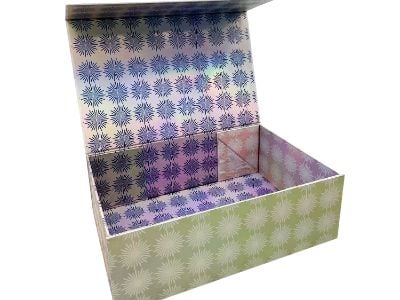
Rigid Boxes: Rigid boxes are constructed from thick paperboard, which provides them with a solid and sturdy shape. They are often used for high-end products, such as luxury items and gifts, due to their premium appearance and protective qualities. Rigid boxes are typically non-collapsible, which means they maintain their structure and can withstand more weight without bending or collapsing. Their manufacturing process often involves additional features like custom inserts or embellishments, enhancing their visual appeal.
Cardboard Boxes: Cardboard boxes, on the other hand, are typically made from a single layer of paperboard or corrugated material. They are lightweight and designed for versatility, making them suitable for a wide range of products, from electronics to food items. Unlike rigid box, cardboard boxes are often collapsible, which makes them easier to store and ship. They can be customized in terms of size and printing but generally offer less structural protection compared to rigid boxes.
Essentially, the choice between rigid and cardboard boxes boils down to the specific requirements of the product being packaged, including protection, presentation, and cost-effectiveness.
How to Choose Between Rigid Boxes and Cardboard Boxes for Your Needs?
When selecting between rigid boxes and cardboard boxes, consider the following factors:
Product Type: Evaluate the nature of the product. High-value items, such as electronics or luxury goods, may benefit from the sturdiness of rigid boxes, whereas lighter products can be adequately protected in cardboard boxes.
Branding and Presentation: Rigid boxes offer better branding opportunities due to their premium look and feel. If the packaging is a significant part of your brand identity, a rigid magnetic boxes may be more suitable.
Cost: Rigid boxes typically cost more due to their materials and manufacturing processes. If budget constraints are a concern, cardboard boxes may be the better option, especially for bulk shipments.
Shipping and Storage: If storage space is limited, consider that cardboard boxes can be collapsed, saving space. Rigid boxes, while more durable, take up more space when not in use.
Customization Needs: Both options offer customization, but rigid boxes provide more opportunities for unique shapes and designs. If customization is key to your product's presentation, this might sway your decision.
Ultimately, aligning the choice of box type with your product’s requirements and your business goals will ensure you select the most effective packaging solution.
Rigid Boxes vs. Cardboard Boxes for Wholesale Buyers
For wholesale buyers, understanding the implications of choosing between rigid boxes and cardboard boxes is crucial for supply chain efficiency and cost management.
Minimum Order Quantities (MOQs): Rigid boxes often have higher MOQs compared to cardboard boxes due to the more complex manufacturing process. Buyers should assess their inventory and sales forecasts to ensure they can meet these quantities without overcommitting.
Lead Times: The production time for rigid boxes can be longer, requiring advance planning in supply chain management. Cardboard boxes, being simpler to produce, typically have shorter lead times. Wholesale buyers should consider these timelines in relation to their product launch schedules.
Transport and Handling Costs: Rigid boxes provide superior protection, which can reduce damage during transport. However, they may incur higher shipping costs due to their weight and volume. Cardboard boxes, while lighter and easier to transport, may not offer the same level of protection, leading to potential losses from product damage.
Understanding these factors can help wholesale buyers make more informed decisions that align with their operational capabilities and market demands.
Cost Considerations When Selecting Rigid Boxes and Cardboard Boxes
Cost is a critical factor in the packaging decision-making process. Here are some considerations:
Material Costs: Rigid boxes typically use thicker materials, which inherently raises their production costs. On the other hand, cardboard boxes are generally more economical due to their lightweight nature and simpler manufacturing process.
Customization Costs: Custom features such as printing, inserts, and finishes can significantly affect the overall cost. The rigid box packaging often allow for more elaborate designs, but these features come at a premium. Buyers should evaluate whether the added cost aligns with the perceived value of their product.
Shipping and Storage Costs: As mentioned earlier, rigid boxes are bulkier and heavier, potentially leading to higher shipping costs. Conversely, the collapsible nature of cardboard boxes can lead to savings in both shipping and storage.
Long-Term Value: While rigid boxes may have a higher upfront cost, they can enhance the perceived value of a product, potentially leading to higher sales prices and customer satisfaction. Buyers should weigh the initial costs against the potential long-term benefits.
By carefully assessing these cost considerations, buyers can make strategic decisions that align with their budget and business goals.
Installation Guidance for Rigid Boxes and Cardboard Box Solutions
When integrating packaging solutions into your operations, understanding the installation and setup processes for both rigid and cardboard boxes is essential.
Rigid Boxes: These boxes usually require minimal assembly, as they are pre-formed. However, buyers should ensure that their storage and handling processes accommodate their sturdiness. For high-volume operations, consider training staff on efficient handling techniques to prevent damage during packing and shipping.
Cardboard Boxes: These boxes are often delivered flat and need to be assembled before use. Buyers should ensure that the assembly process is straightforward, as complex designs can slow down packing times. Implementing an assembly line for high-volume needs can improve efficiency.
Quality Control: Regardless of the box type, conducting quality checks on the packaging prior to use is vital. For rigid boxes, inspect for structural integrity and appearance. For cardboard boxes, ensure they are free from defects that could compromise product safety.
Ensuring proper installation processes will enhance the efficiency of packing operations and minimize the risk of damages during transit.
By understanding these nuanced differences and considerations, B2B buyers can confidently choose between rigid and cardboard boxes, ensuring their packaging solutions align with their product requirements and business objectives.
Table of Contents
- What Are the Key Differences Between Rigid Boxes and Cardboard Boxes?
- How to Choose Between Rigid Boxes and Cardboard Boxes for Your Needs?
- Rigid Boxes vs. Cardboard Boxes for Wholesale Buyers
- Cost Considerations When Selecting Rigid Boxes and Cardboard Boxes
- Installation Guidance for Rigid Boxes and Cardboard Box Solutions