Rigid boxes are essential for premium brand packaging, offering a blend of durability, aesthetic appeal, and functionality that is crucial for enhancing brand perception. As B2B buyers, purchasing managers, and product managers, understanding the specific advantages of rigid boxes is vital for making informed decisions that align with your brand's packaging needs. We will explore what makes rigid boxes ideal for premium packaging, how to select the right options for your brand, and key considerations to ensure quality assurance and cost-effectiveness.
What Makes Rigid Boxes Ideal for Premium Brand Packaging?
Rigid boxes, often made from thick paperboard, provide a sturdy structure that protects products during shipping and handling. Their robust design not only ensures the safety of the contents but also contributes to a premium un-boxing experience, which is essential for luxury brands. Unlike flexible packaging, custom rigid boxes maintain their shape and offer a more substantial feel, which can create a perception of higher value in the eyes of consumers.
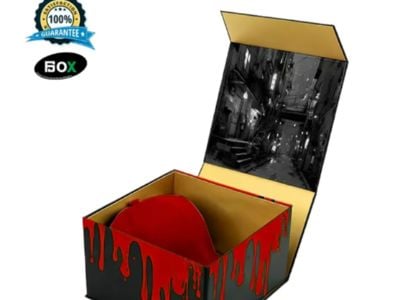
Additionally, rigid boxes can be fully customized, allowing brands to incorporate unique designs, colors, and finishes that align with their identity. Features such as magnetic closures, custom inserts, and embossing can enhance the visual appeal and functionality, making them suitable for a wide range of applications, from cosmetics to electronics. This versatility is a significant advantage for brands looking to differentiate their products in a competitive marketplace.
How to Choose Rigid Boxes for Your Brand’s Packaging Needs
When selecting rigid boxes, consider several key factors to ensure they meet your branding and functional requirements. First, evaluate the product dimensions and weight. Rigid boxes come in various sizes, and selecting the appropriate dimensions is crucial for optimal protection and presentation. A box that is too large may allow the product to shift during transport, while one that is too small could compromise the product’s integrity.
Next, assess the materials used in the construction of the rigid boxes. High-quality paperboard is preferable, as it provides durability without adding excessive weight. Additionally, consider the environmental impact of your packaging choices. Sustainable materials can enhance your brand’s image and appeal to eco-conscious consumers.
Customization capabilities are also vital. Work with a manufacturer that offers various printing options, finishes, and structural designs. This ensures that your packaging not only protects the product but also reflects your brand effectively. Be sure to communicate your specific needs to your supplier, including any design elements or special features you may want.
Rigid Boxes for Quality Assurance
Quality assurance is critical when it comes to rigid boxes packaging. Before placing a large order, it is advisable to request samples to evaluate the box's structural integrity and visual appeal. Pay attention to the craftsmanship of the boxes look for clean edges, consistent color printing, and proper sealing. A poorly constructed box can lead to product damage and reflect negatively on your brand.
It’s also important to consider the quality control processes of your packaging supplier. Ensure they have stringent quality inspection protocols in place to catch defects before the boxes reach you. This includes checking the materials, dimensions, and overall finish of the boxes during production. Establishing a strong relationship with your supplier can also facilitate better communication regarding quality expectations.
Cost-Effective Rigid Box Solutions
While rigid boxes may initially seem more expensive than other packaging options, they can be cost-effective in the long run. Their durability can reduce the likelihood of product damage during shipping, which can save on replacement costs. Additionally, premium packaging can lead to higher product prices and increased customer loyalty, ultimately boosting your bottom line.
When evaluating costs, consider the total cost of ownership, which includes not just the purchase price but also shipping, storage, and potential damage costs. Discuss minimum order quantities (MOQs) with your supplier to find a balance that meets your budget while ensuring you have enough inventory to meet demand.
Furthermore, explore options for bulk purchasing or long-term contracts with your supplier, which can lead to discounts and more favorable pricing. Always seek quotes from multiple suppliers to compare not only prices but also the level of service and customization offered.
What Buyers Should Consider
When considering rigid boxes for your packaging needs, there are several factors that buyers should keep in mind:
Product Compatibility: Ensure the box design is tailored to the specific dimensions and weight of your product. This is essential for both protection and aesthetic appeal.
Customization Needs: Identify how much customization you require. This may include printing, colors, and structural designs that reflect your brand’s identity.
Sustainability: If sustainability is a priority for your brand, confirm that your supplier uses eco-friendly materials and processes.
Supplier Evaluation: Investigate potential suppliers thoroughly. Look for those with a solid reputation, quality certifications, and experience in your industry. Request samples and verify their quality control measures.
Lead Time: Understand the production lead time and ensure it aligns with your project timelines. Be proactive in communicating your deadlines to your supplier.
Regulatory Compliance: Depending on the industry, ensure your packaging adheres to relevant regulations, including safety and labeling requirements.
By considering these factors, you can make informed decisions that align with your brand’s packaging strategy and ensure you select the right magnetic rigid boxes for your products.
In summary, rigid boxes are not just a packaging choice; they are an investment in your brand's presentation and customer experience. By understanding their benefits and carefully selecting the right options, you can effectively enhance your product offerings and drive brand loyalty.